

ERP Solutions
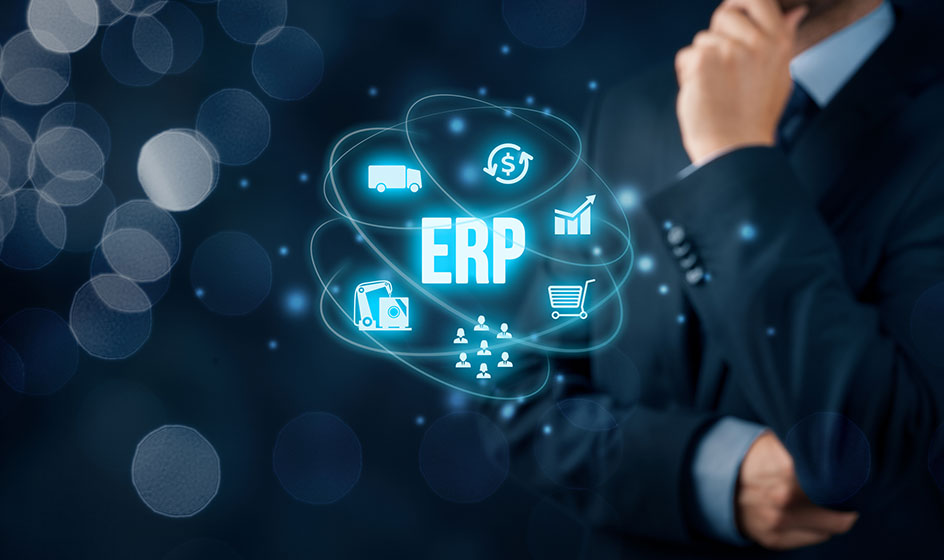
One of the primary features of an ERP solution is its ability to provide a centralized database, eliminating data silos and ensuring data consistency across departments. This centralized approach allows employees to access real-time information, leading to better decision-making and improved operational efficiency.
ERP solutions also offer integration and automation capabilities, reducing manual tasks and streamlining workflows. By automating repetitive processes, organizations can minimize errors, save time, and allocate resources more effectively. Additionally, the scalability and customization options provided by ERP systems allow businesses to adapt to changing requirements and industry-specific needs.
With robust reporting and analytics functionalities, ERP solutions enable organizations to generate meaningful insights from their data. Customizable dashboards and real-time analytics empower users to monitor key metrics, identify trends, and optimize processes, ultimately driving business growth and success.
ERP solutions play a vital role in supply chain management by integrating various processes such as procurement, inventory management, and distribution. This integration enhances inventory control, reduces lead times, improves supplier management, and ensures a more efficient and responsive supply chain.
In the realm of financial management, ERP systems provide comprehensive features like general ledger, accounts payable/receivable, budgeting, and financial reporting. By centralizing financial data and automating financial processes, businesses can improve accuracy, regulatory compliance, and financial visibility.
Moreover, ERP solutions incorporate modules for human resources management, encompassing areas such as employee data management, payroll, benefits administration, and talent acquisition. These features streamline HR processes, enhance workforce management, and contribute to employee engagement and productivity.
Implementing an ERP solution brings numerous benefits to organizations. Improved efficiency and productivity lead to cost savings and better resource allocation. Accurate data and visibility into operations result in enhanced decision-making capabilities and strategic planning. Furthermore, ERP systems enable organizations to provide better customer service and satisfaction by centralizing customer data and streamlining sales processes.